

Lubrication Maintenance Without Shop Delays
Commercial Truck Oil Change Services in Weatherly for fleet operators managing maintenance intervals across multiple vehicles
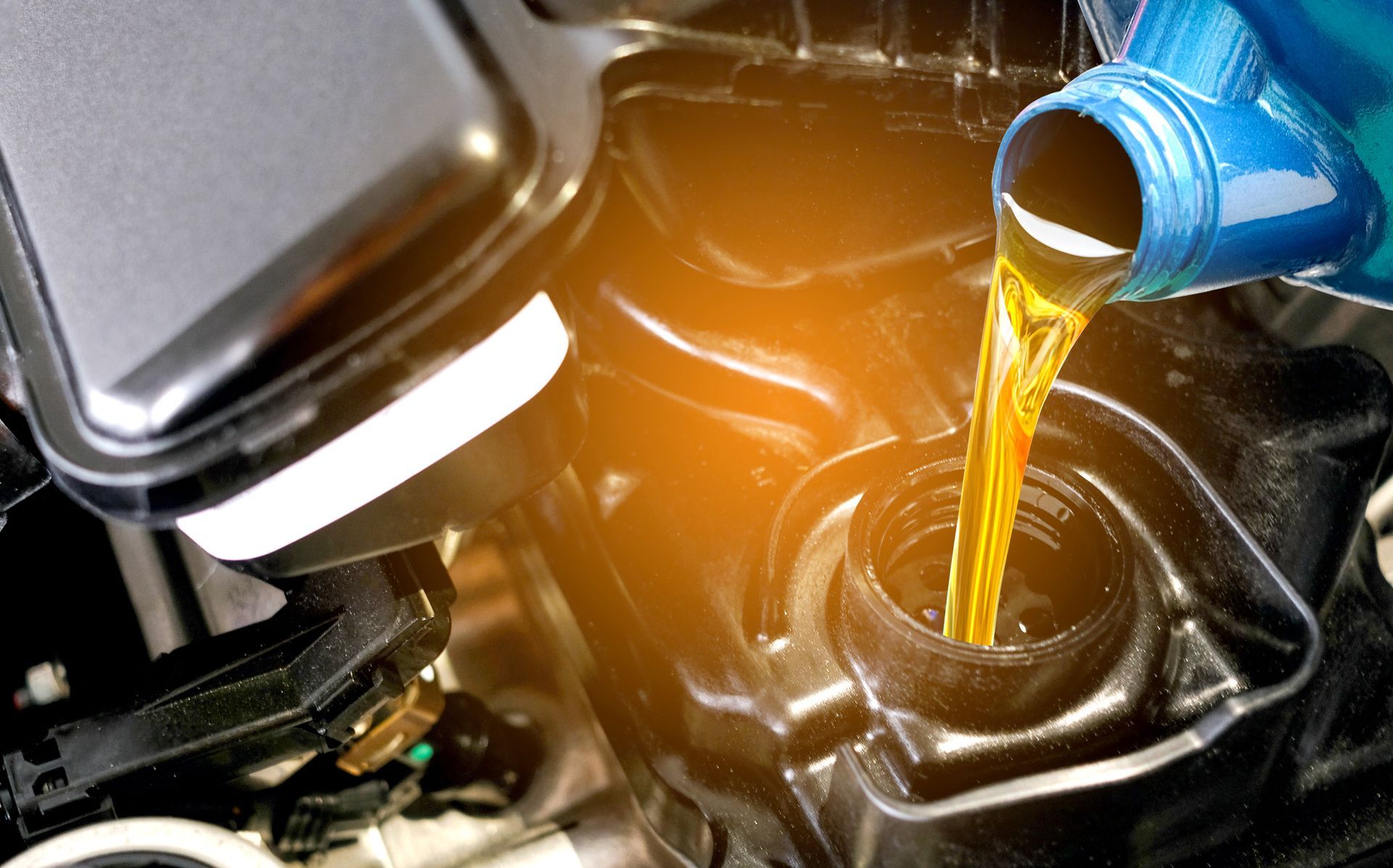
Engine oil breaks down through heat cycles, combustion byproduct contamination, and shear stress from bearing surfaces operating under load, and manufacturers specify replacement intervals based on hours or miles that match expected degradation rates. Missing those intervals accelerates wear on bearings, cylinder walls, and valve train components in ways that don't show immediate symptoms but compound into measurable efficiency loss and eventual mechanical failure. D.R. Vialet Roadside Assistance brings oil change capability to your truck's location in Weatherly, servicing vehicles at job sites, fleet yards, or staging areas without requiring drivers to locate truck stops or schedule shop time during revenue-generating hours.
The mobile service uses high-quality commercial diesel oils matched to your engine specifications and operating conditions, with filter replacement included in every service. Pennsylvania's seasonal temperature swings require different oil viscosities between summer and winter operation, and the service stocks both ranges to maintain proper flow characteristics when ambient temperatures drop below freezing.
Arrange a fleet oil change schedule based on your vehicles' mileage intervals and operational patterns to maintain manufacturer warranty compliance.
Why Oil Condition Affects Engine Longevity
Oil serves three functions simultaneously—it lubricates moving parts to prevent metal-on-metal contact, carries heat away from combustion chambers and bearings, and suspends contamination particles until filtration removes them. As oil ages, its viscosity changes and its ability to perform these functions degrades, which is why interval adherence matters more than visual inspection of oil color or texture.
After an oil change, your engine maintains proper operating temperature more consistently, fuel efficiency typically improves by small but measurable amounts, and internal wear rates return to design specifications rather than the accelerated patterns that occur when oil loses its protective properties. You won't necessarily hear or feel different operation, but oil analysis would show reduced metal particle counts and restored additive packages that prevent sludge formation.
The service includes inspection of oil filter condition during removal because filter media tells you about engine wear patterns—excessive metal content suggests bearing wear, while sludge accumulation indicates extended intervals or contamination issues. Scheduled maintenance options let fleet managers coordinate multiple vehicle services during single appointments, reducing administrative overhead compared to tracking individual truck schedules.
Answers About Mobile Oil Changes
Oil change logistics work differently when service comes to you rather than you traveling to service locations, and these answers clarify how mobile maintenance operates.
What oil weights and specifications does mobile service stock?
Service vehicles carry 15W-40 and 10W-30 diesel oils meeting API CK-4 or FA-4 specifications, with synthetic blends available for extreme temperature operation or extended drain intervals specified by manufacturers.
How long does an on-site commercial oil change take?
Most oil changes complete within 45 minutes including warm-up time, draining, filter replacement, and refilling, though larger capacity engines or multi-vehicle fleet appointments run longer depending on total oil volume and vehicle count.
Can mobile oil changes happen at customer job sites?
Service works at any location where you can safely position the truck and provide access for service vehicle parking, including active construction sites, delivery locations, or private property with owner permission.
Does the service dispose of used oil properly?
All drained oil and used filters get transported for proper recycling and disposal following EPA regulations, with documentation available for environmental compliance records if your operations require waste tracking.
How do scheduled intervals work for trucks with varying usage patterns in Weatherly?
Interval scheduling follows either mileage or hour-meter readings depending on whether your trucks run highway routes or idle-heavy applications, with fleet managers receiving maintenance due notices based on tracking data you provide.
Regular oil changes represent the single most cost-effective maintenance investment for extending engine life and preventing catastrophic failures that sideline trucks for weeks. D.R. Vialet Roadside Assistance handles single trucks or entire fleets with scheduling that matches your operational calendar. Call (272) 315-7786 to establish maintenance intervals and book your first mobile service appointment.