

Fleet Operating Costs Depend on Tire Choices
Commercial Tire Sales (New, Retread & Used) in Weatherly for Fleets Balancing Performance Requirements with Budget Constraints
Replacing an entire axle set or planning seasonal tire rotations requires sourcing that balances tread life, load ratings, and cost per mile. New tires deliver maximum tread depth and warranty protection but represent the highest upfront investment. Retread tires use inspected casings with new tread applied through vulcanization, offering seventy to eighty percent of new tire lifespan at roughly half the cost. Used tires provide budget options for older vehicles or short-term operational needs. D.R. Vialet Roadside Assistance stocks all three categories with installation available on-site at your facility or at roadside locations during breakdowns.
Quality-inspected retread and used inventory undergoes structural examination to identify internal casing damage, sidewall cracking, or previous repair failures that compromise reliability. This screening eliminates tires likely to fail prematurely, though retread and used options naturally carry higher failure risk than new inventory. Your choice depends on vehicle use patterns, typical load weights, route conditions, and replacement budget, with recommendations provided based on these operational factors.
Contact the shop with your tire size, quantity needed, and intended vehicle use to receive pricing across new, retread, and used options with availability timelines.
What Proper Tire Selection Requires
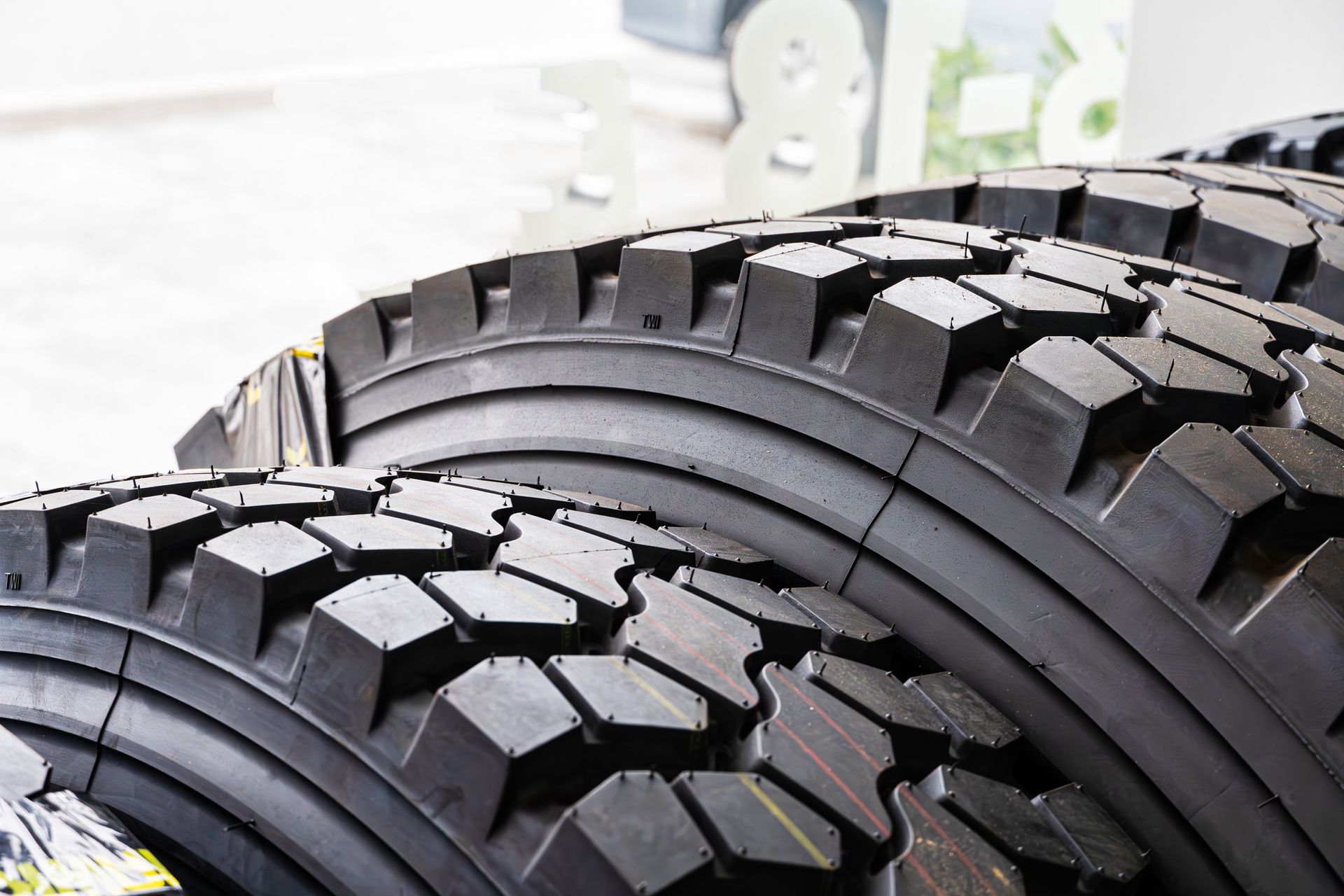
Commercial tire specifications include load range ratings, ply construction, tread pattern designs for specific applications, and speed ratings that must match vehicle operation. Steer axle tires use rib patterns for directional stability, drive axle tires feature lug patterns for traction, and trailer tires prioritize rolling resistance for fuel economy. Installing the wrong pattern in the wrong position accelerates wear and compromises vehicle handling, particularly in wet conditions common during Pennsylvania spring and fall seasons.
After switching to appropriately rated and positioned tires, you'll notice improved fuel economy from reduced rolling resistance, longer intervals between replacements as tread wears evenly, and better traction during acceleration and braking. Vehicles handle predictably in rain without the hydroplaning tendency that occurs when worn or mismatched tires shed water poorly. Maintenance records reflect fewer roadside tire failures when quality-inspected inventory replaces bargain tires of unknown history.
Installation includes mounting, balancing, and torque specification adherence for all wheel positions. The service doesn't include alignment or suspension repairs, though technicians identify these issues during installation if irregular wear patterns or fitment problems appear. Disposal of removed tires follows environmental regulations, preventing accumulation of old rubber at your facility.
Answers to Frequent Service Questions
Operators purchasing commercial tires need clarity about quality standards, application matching, installation logistics, and the trade-offs between new, retread, and used inventory before committing to purchases.
How do retread tires compare to new tires for reliability?
Retread tires built on quality-inspected casings provide dependable service for regional hauling and predictable routes, though new tires remain the better choice for long-haul operations where roadside failures create severe schedule disruptions and remote breakdown risks.
What should I look for when considering used commercial tires?
Remaining tread depth, sidewall condition, casing integrity, and evidence of previous repairs determine used tire viability, with any tire showing cord exposure, bulges, or deep cracking rejected regardless of remaining tread.
Can you install tires at our facility instead of requiring vehicles to come to your location?
Mobile installation brings mounting equipment, balancing tools, and torque wrenches to your shop or yard, completing tire changes on your schedule without removing vehicles from your property in Weatherly.
What brands do you stock for commercial applications?
Inventory includes trusted manufacturers known for commercial durability and consistent performance, with specific brand availability varying based on size and current stock levels at time of order.
How quickly can you supply tires for emergency replacements versus planned rotations?
Emergency single-tire needs often pull from current inventory for same-day service, while planned multi-axle purchases may require ordering to ensure matched sets and preferred specifications arrive together.
Tire expenses represent a major fleet operating cost that responds to informed purchasing decisions. D.R. Vialet Roadside Assistance provides expert recommendations matching tire type to application, budget, and expected service life based on your specific operational patterns. Call (272) 315-7786 to discuss your tire needs and receive quotes across inventory categories.